
Transformative Techniques for Verbal Excellence in German
· Anna Müller
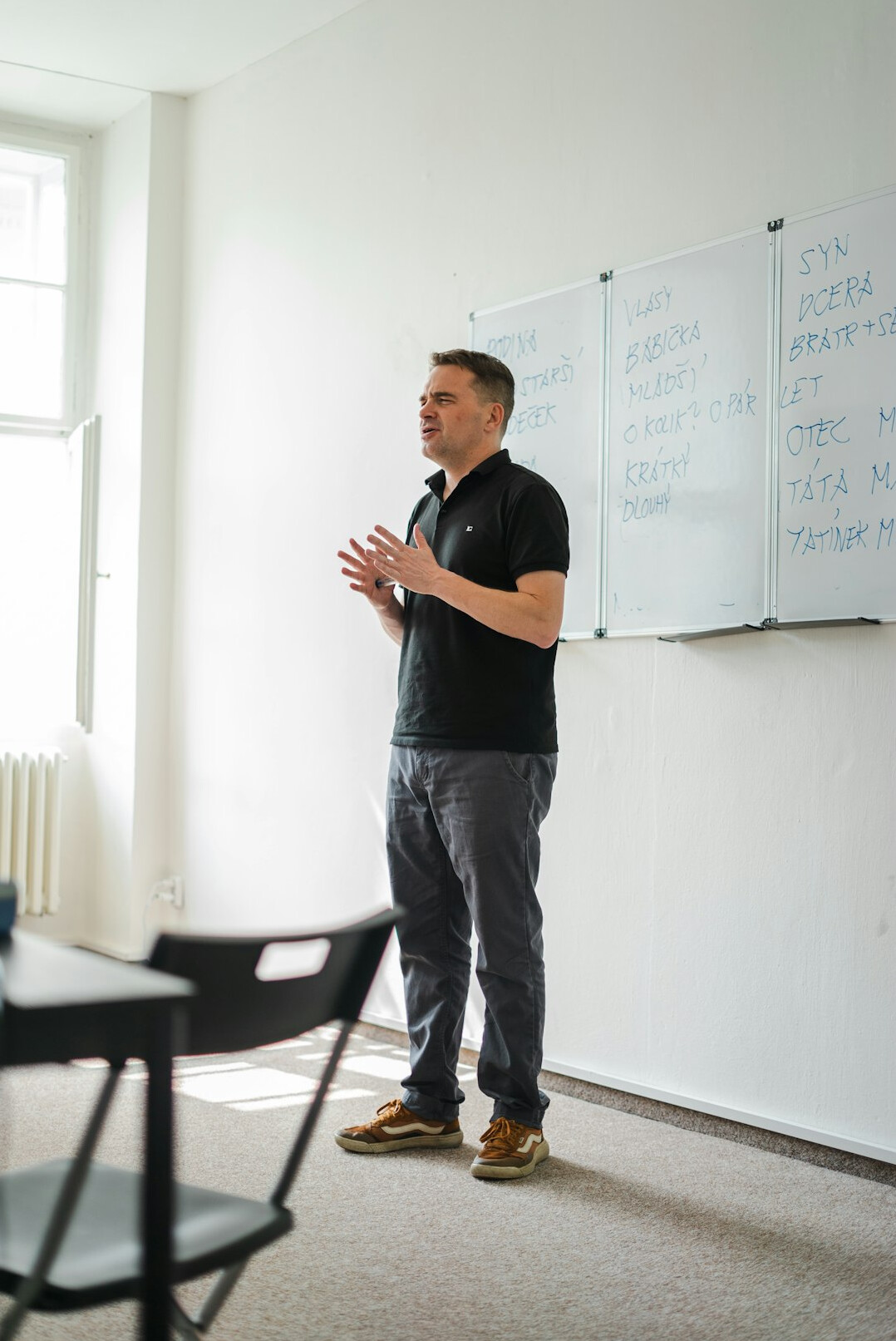
Mastering verbal communication in German goes beyond memorizing vocabulary lists or perfecting grammar rules. It involves developing a natural flow that allows thoughts to emerge clearly and convincingly in conversations, presentations, or everyday interactions. Many learners find that after reaching an intermediate level, progress slows because they lack strategies to refine expression and confidence.
Building a Strong Foundation in Articulation
Start by paying close attention to how native speakers shape their words. Record yourself reading short passages from German literature or news articles, then compare your pronunciation to audio samples. Focus on sounds that differ from your native language, such as the rolled r or umlaut vowels. Consistent daily practice, even for fifteen minutes, builds muscle memory over time.
Immersion Through Active Listening
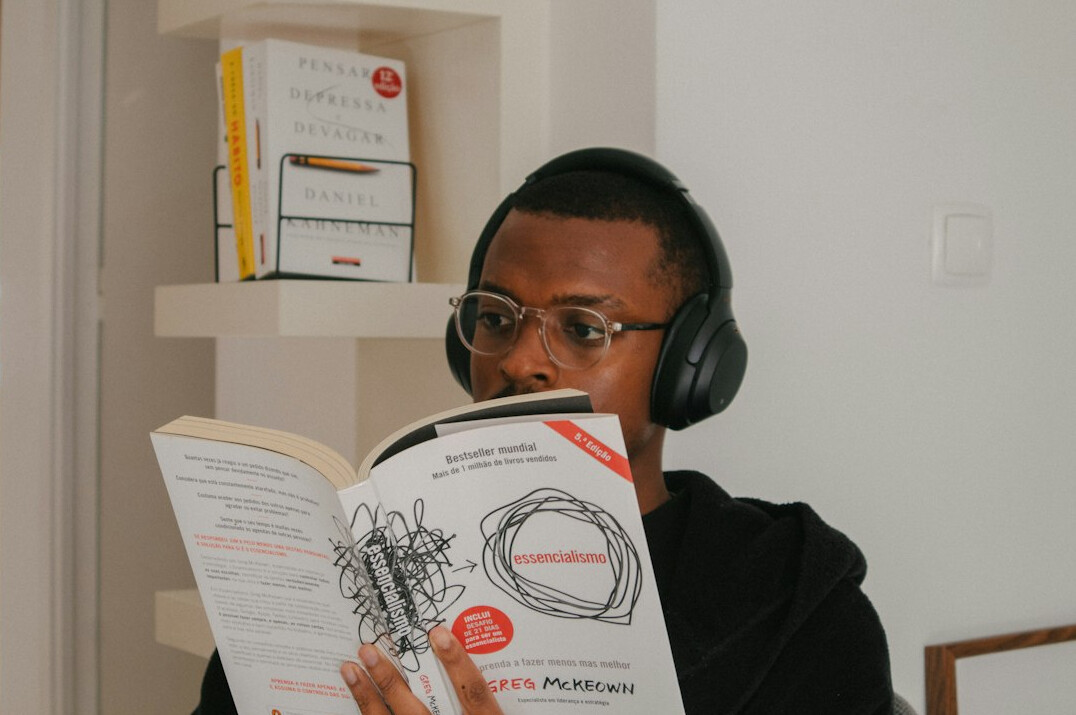
Listening actively helps internalize rhythm and intonation. Choose podcasts or radio shows on topics that interest you, like history or technology. Pause frequently to repeat phrases aloud, mimicking the speaker's pace and emphasis. This technique strengthens both comprehension and your ability to articulate complex ideas without hesitation.
Structuring Thoughts for Clear Expression
Effective communication requires organizing ideas before speaking. Practice outlining your thoughts in German using simple frameworks: introduce the main point, provide supporting details, and conclude with a summary. Journaling daily reflections in the target language reinforces this habit and expands your range of expression.

Expanding Vocabulary Through Context
- Read diverse materials such as novels, essays, and professional reports.
- Note unfamiliar words and create sentences using them immediately.
- Discuss these terms with language partners to see them in real use.
Over time, this approach turns passive knowledge into active command.
One learner shared how weekly debates on current events transformed their hesitation into fluency within months.
Advanced Techniques for Thought Articulation
Once basics feel comfortable, challenge yourself with improvisational exercises. Set a timer and speak on random topics for two minutes without stopping. Record sessions to identify areas for improvement, such as filler words or repetitive structures. Joining discussion groups provides valuable feedback from peers at similar levels.
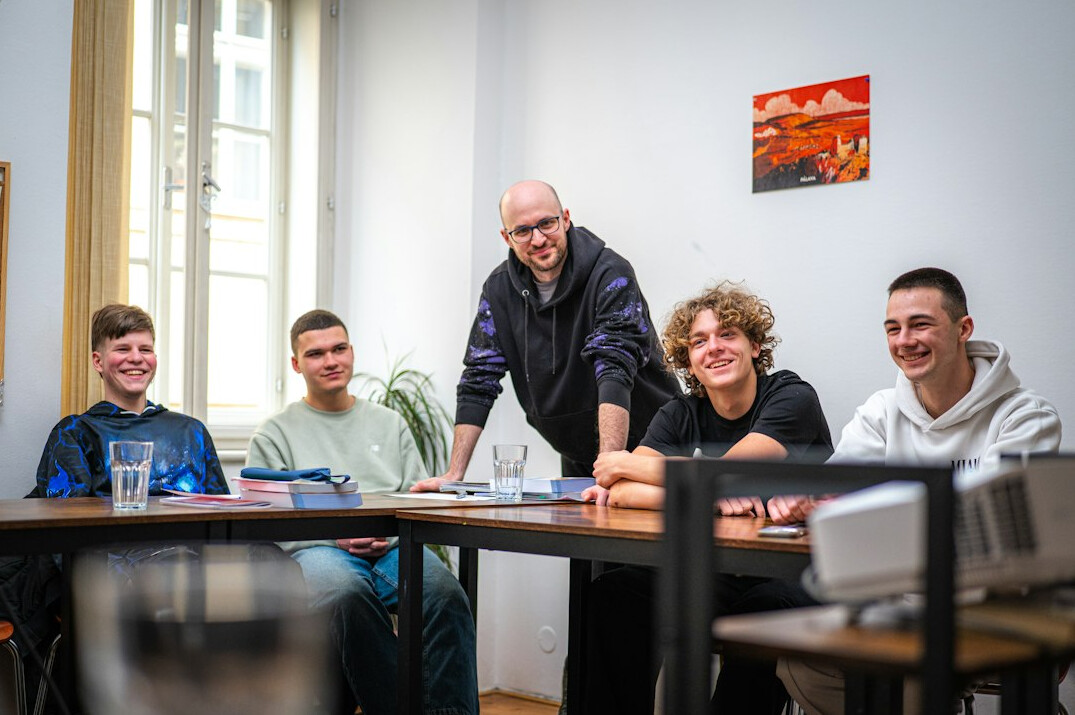
Another powerful method involves translating complex thoughts from your first language into German and back again. This reveals gaps in nuance and encourages more precise wording. Combine it with feedback from a tutor to accelerate growth.
Measuring Progress and Staying Motivated
Track improvements by revisiting old recordings every few weeks. Celebrate small wins, like delivering a coherent opinion on a challenging subject. Remember that verbal excellence develops gradually through patient, deliberate effort rather than rushed intensity.